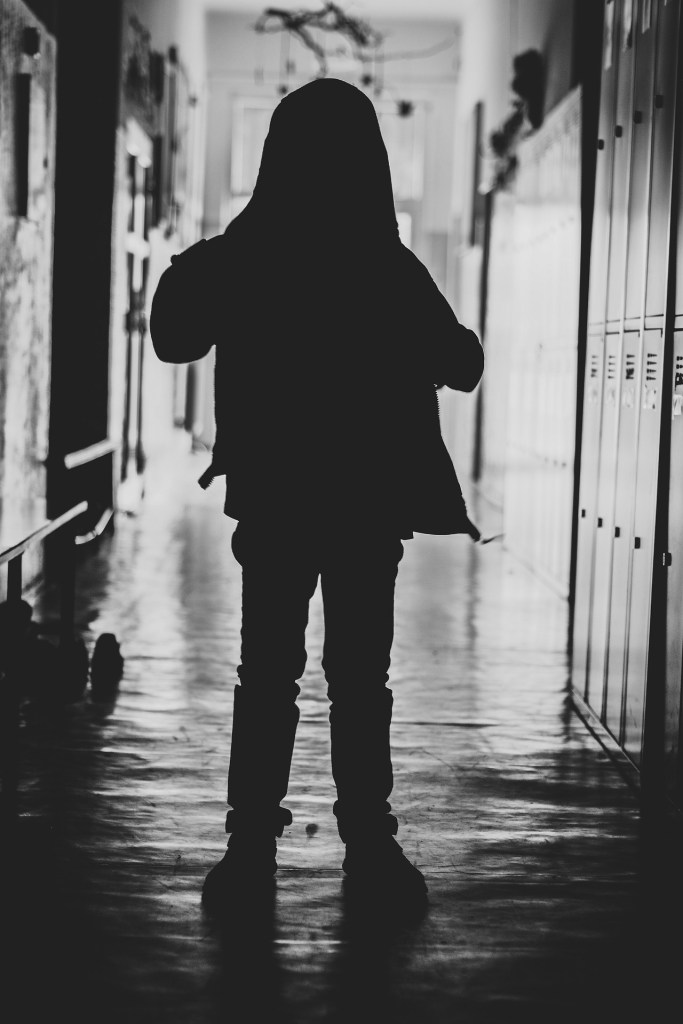
Education is a fundamental human right. Every child should have access to education, regardless of their background or circumstances. Education provides children with the tools they need to succeed in life, from improving their job prospects to enhancing their overall well-being. Unfortunately, not all children have equal access to education, and this can have serious consequences for both the individual and society as a whole.
Equal access to education means that every child has the opportunity to attend school, regardless of their gender, ethnicity, socio-economic background, or any other factor. However, in many parts of the world, children face significant barriers to education. For example, poverty is a major barrier that prevents children from attending school. Many families cannot afford the cost of tuition fees, uniforms, and textbooks, and as a result, their children are denied the opportunity to receive an education.
Gender is another barrier that prevents equal access to education. In many countries, girls are less likely to attend school than boys. This is often due to cultural norms and beliefs that prioritize boys’ education over girls’. There is a clear example of this in Afghanistan (2023), where girls and women are prevented from accessing education because of radical beliefs. As a result, girls miss out on the opportunity to develop their skills and knowledge, which can have a long-term impact on their lives.
The lack of access to education also has serious consequences for society as a whole. When children are denied an education, they are more likely to face poverty, unemployment, and poor health outcomes. This can have a ripple effect on their families and communities, perpetuating a cycle of poverty that is difficult to break.
On the other hand, when children have equal access to education, they are more likely to succeed in life. They are able to develop their skills and knowledge, which opens up a world of opportunities for them. Education also helps to promote social mobility, as it provides individuals with the tools they need to improve their socio-economic status and achieve their goals.
Education of children is essential as we continue to combat social inequalities across the globe. Countries whose children cannot access education will develop much slower as compared to those with high levels of access to education for children. In order to rectify this, we must look at the way in which resources are distributed within a country. It is essential for education of children to be a major priority for the global community.
In conclusion, equal access to education is essential for the well-being of individuals and society as a whole. It is a fundamental right that every child should have access to, regardless of their background or circumstances. It is our collective responsibility to ensure that every child has the opportunity to receive an education, so that they can reach their full potential and contribute to the world in a meaningful way.
Published by Darrion “Theatrics” Narine
Darrion M. Narine was born in Trinidad and Tobago but considers himself to be a global citizen. He is a social development specialist and a performing artiste. He is currently the programme manager of the Archdiocese’s Ministry for Migrants, working alongside UN agencies and grassroots organizations in Trinidad and Tobago to cater towards the educational, psychosocial, health and physiological needs of over 30,000 migrants and refugees.
Darrion was also the chair of the CHOGM CYF taskforce responsible for executing the Commonwealth Youth Forum in Kigali, Rwanda in June 2022. He managed a 21-member taskforce made up of people from Africa, Asia, the Caribbean and the Pacific. The taskforce was responsible for the planning, programme development and execution of the CHOGM CYF 2022 which hosted over 500 delegate from across the globe. His work in these fields have allowed him to develop his resource mobilization skills since he has been able to raise additional money for the support of several projects. which he manages.
Additionally, Darrion was the former Vice Chairperson for Inclusion and Engagement on the Commonwealth Youth Council, which serves 1.2 billion youth across the globe. His work focused on youth development, global socio-economic development and global social policy development. During his tenure he was able to launch and co-partner on several programmes. He co-founded the RACE campaign which allowed for healthy conversations around race and race relations. He was also a key founding director of the Youth Voice Matters campaign which promoted the increase in youth political participation. He holds a BSc in Psychology (Special) with a minor in Theatre Arts and a MA in Cultural Studies from the University of the West Indies (U.W.I). He is the former President of the U.W.I Guild of Students 2018/19, where he represented the students at all major university meetings and external advocacy movements and is a National Youth Award recipient for Leadership from the Government of Trinidad and Tobago. In addition to this, he was a board member on the Global Coalition for Youth Employment (under the Ministry of Youth Affairs and National Service) and has served as a board member on the Chancellor’s Commission on Governance for the University of the West Indies reviewing the University’s governance structures and making recommendations for overall improvement of its systems and operations.
Darrion is also a cultural advocate, poet , writer and performer. He has taught techniques in performance, public speaking drama and networking to hundreds of young people across Trinidad and Tobago. He has also done skills development training at various schools across the country and region. Furthermore, he is an actor with DCShell Theatre, a singer, a poet and a writer. He has a collection of music and poetry and has performed across the globe. He believes strongly that education is liberation, and the key to a progressive population.
View more posts